
 Post by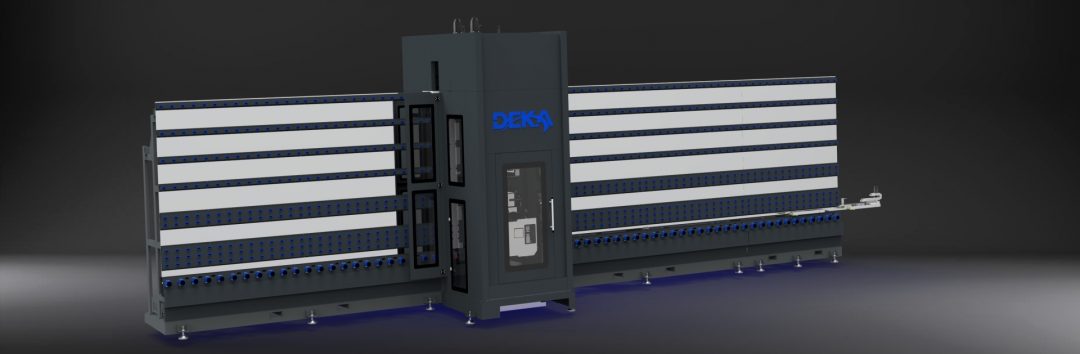
Drilling a hole in glass is fundamentally different from drilling a hole in metal. Metal is processed by cutting; glass, on the other hand, is... by being worn away. Glass is a brittle material — it doesn't undergo plastic deformation; it breaks the moment it reaches critical stress. Therefore, the margin of error in drilling glass is very small.
Almost all losses during drilling are due to three reasons.
1. Output side rupture
This is the most common mistake. If you drill glass from only one side, the material in front of the diamond tool thins as it approaches the opposite surface. In the last few tenths of a millimeter, the material can no longer support itself and is subjected to the pressure of the tool. A cone-shaped piece breaks off.. The opening of the hole becomes burr-like, irregular, and sharp.
When this piece breaks off, micro-cracks remain on the exit side of the hole. If the glass is to be tempered, these cracks become the starting point of fracture in the furnace.
Solution: drilling from both sides.
Industrial glass drilling machines use two tools aligned opposite each other on either side of the glass. The two tools meet in the middle of the glass; the material is never left unsupported at any point. The hole is clean on both sides.
If you're working with a single-head machine, an alternative method is to drill the glass halfway through, rotate it, and complete the hole from the other side — but this is both slow and difficult to align the axes of the two holes.
2. Uncontrolled printing
The force applied by the tool to the glass should not remain constant. Low pressure is required at the start of drilling, during the initial contact with the glass surface. The pressure can be increased as the hole progresses, and then decreased again as the hole approaches the exit.
With manual machines, this depends entirely on the operator's instinct — and that instinct weakens towards the end of the shift.
Solution: computer-controlled torque management
Torque-controlled systems continuously measure the force applied to the glass by the tool and adjust the feed rate accordingly. The feed rate slows down when material resistance increases and speeds up when it decreases. The result is repeatable process quality, independent of the operator.
DD6‘The torque control feature in [the device] does exactly that.
3. Worn tools and inadequate cooling.
As diamond tools wear down, they lose their sharpness and instead of cutting... friction Friction generates heat; the local temperature difference in the glass creates thermal stress and initiates cracking.
Therefore, in glass drilling, coolant is not an optional detail, but an integral part of the process. The water both cools the tool and removes the abraded glass dust from the environment. Dirty or insufficiently flowing water will clog the tool and accelerate wear.
Solution: tool reading and regular sharpening
The tool reading feature automatically measures the tool length and detects wear. The on-machine sharpening feature sharpens the worn diamond tool without removing it from its place. Together, these two features reduce both waste and tool costs.
Checklist: if your waste rate is high
- Are the holes drilled from only one side? Are there burrs on the exit side?
- Is the coolant flow rate sufficient, and is the water clean?
- When were the teams last checked or tested?
- Is the feed rate adjusted according to the glass thickness, or is it fixed?
- Are the holes being drilled too close to the edge of the window?
Hole position rule
In general industry practice, the distance between the edge of the hole and the edge of the glass is at least twice the thickness of the glass It is recommended that this distance be maintained. A similar rule applies to the distance between holes. When this distance is reduced, the glass weakens locally, no matter how clean the process is.
Exact values vary depending on the type of glass and whether it will be tempered; in critical projects, they should be evaluated during the design phase.
Glass drilling machines You can get more information about it or You can contact us for configuration suitable for your production needs..