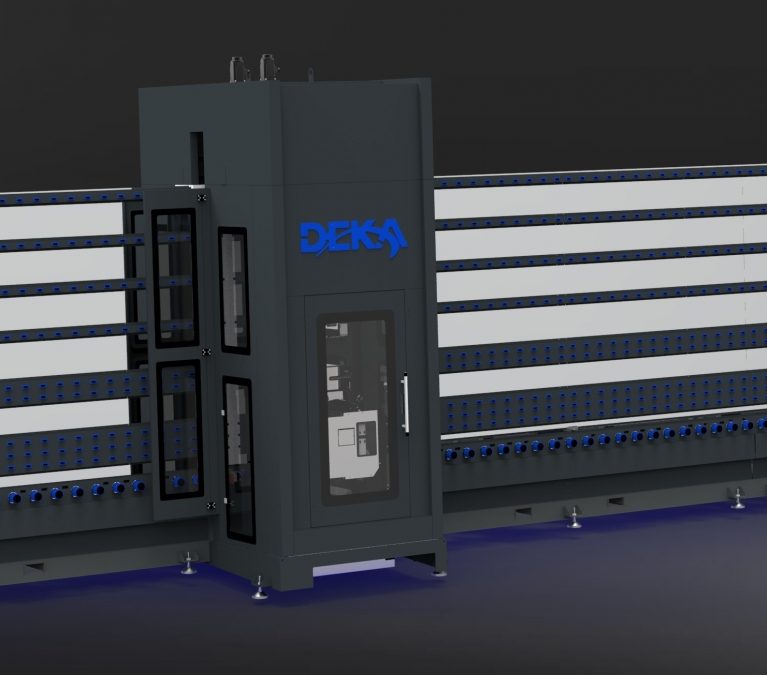
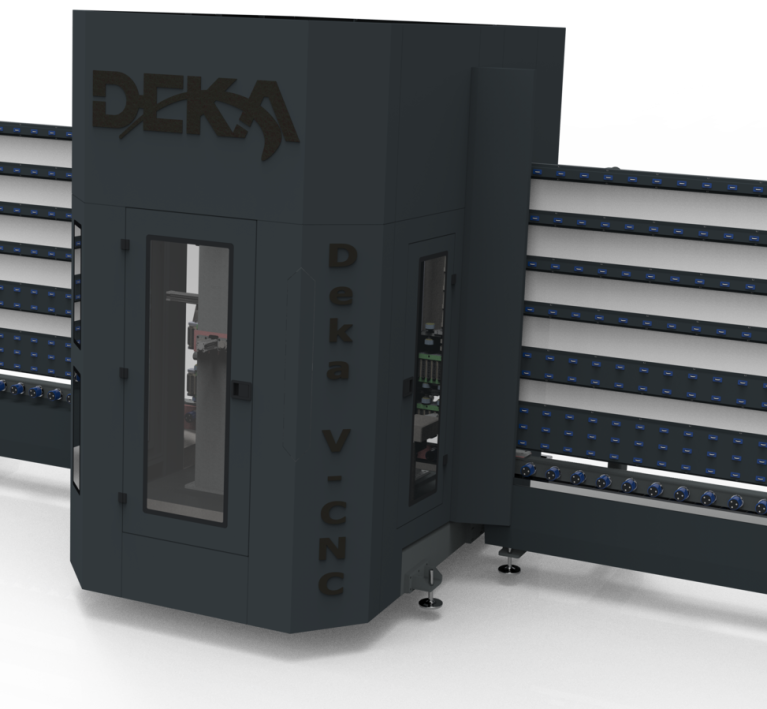
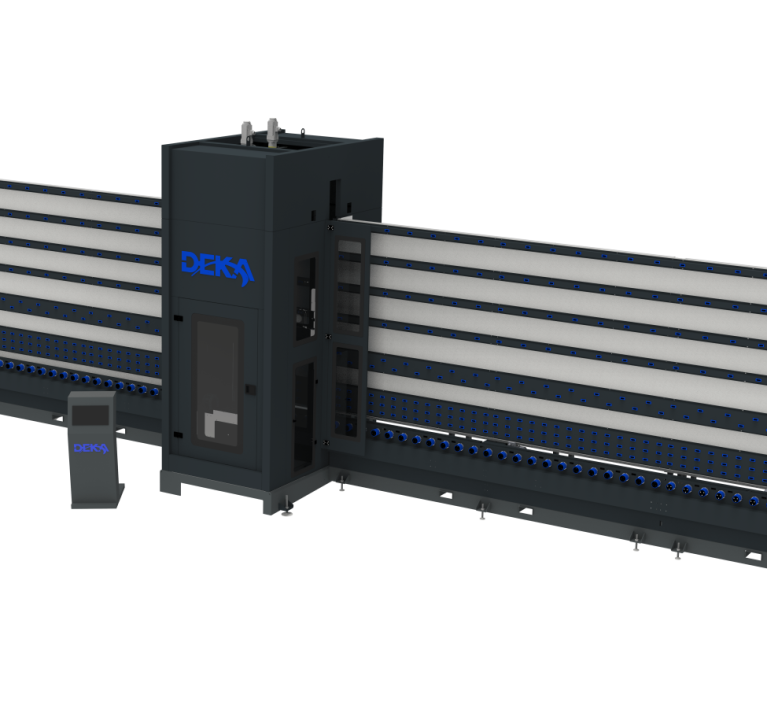
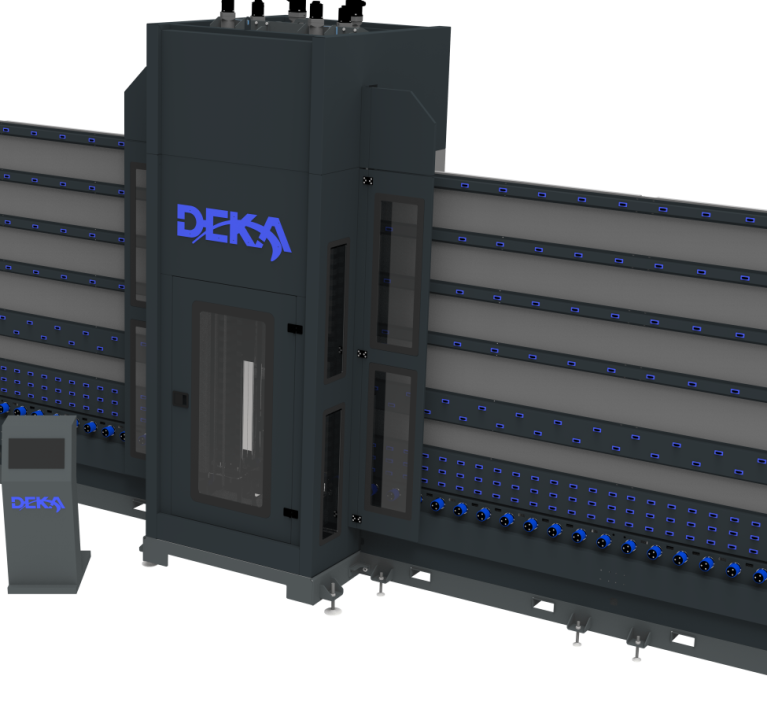
A glass CNC machining center combines drilling, milling, grinding, and polishing in a single machine. It always sounds better — but it isn't. There's only one question that determines this decision: How many different operations are you performing on one plate?
When are separate machines better?
High volume, uniform process If you do that, a dedicated machine wins.
Example: You only produce insulated glass and all you do is edge finishing. A dedicated break-in machine, It does the same job much faster than a machining center. This is because a machining center is designed for versatility, and this flexibility comes at a cost of speed.
The same logic applies to drilling: if you're only drilling holes in hundreds of sheets a day, you need a dedicated drill. drilling machine It is more efficient.
Additional advantage: In individual machines, if one unit fails, the others continue to operate. In a machining center, if even one machine stops, the entire operation comes to a halt.
When is a machining center better?
On a single sheet multiple different processes The processing center wins if necessary.
Example: shower enclosure glass. The same piece requires hinge holes, countersinking, corner radii, and a polished edge. Using separate machines, this piece is moved and repositioned four times.
Income comes from three sources.
1. Handling time. Each transport represents an operator movement and time.
2. Risk of breakage. The majority of glass breakages occur during transport, not during handling. One transport instead of four reduces the risk by a quarter.
3. Positioning accuracy — the most overlooked aspect. The glass is re-referenced in each new context, and each referencing carries a small margin of error. If the distance between the hole and the edge is critical, these errors accumulate on separate machines. The hole and edge are machined at the center. from the same reference point is processed.
Simple decision calculation
Take the work orders from the last three months and ask yourself this question: How many different operations are performed on average per part?
- 1 operation: Dedicated machine. Machining center is a waste of money.
- 2 operations: On the borderline. Separate machines if the quantity is high, a processing center if the quantity is low and the variety is high.
- 3+ transactions: The machining center almost always wins.
A hybrid approach — the most common solution in practice.
Most businesses use both, and this is usually the most accurate structure:
On the backbone of the line machines dedicated to high-volume, single-type jobs (washing + break-in) is included. Alongside it, a machining center for multi-process and specialized parts It stops.
Thus, neither serial work nor individual work will clog the pipeline.
Terminology warning
In Türkiye “"vertical machining center"” the term predominantly metal It is used for operating CNC machines. Its equivalent in the glass industry is... “"vertical glass CNC machining center"”These are completely different classes of machines:
- Metal is processed by cutting; glass by being worn away
- Diamond tools and continuous water cooling are essential in glass processing.
- Because glass is brittle, pressure control is critical.
If you don't specify this distinction when seeking quotes, you'll receive completely irrelevant machine offers.
Vertical or horizontal machining center?
Horizontal (tabletop type): Advantageous for complex internal cutting and large-shaped cuts — the table prevents the workpiece from falling. However, it takes up a lot of space.
Vertical: It takes up little space, has short handling times, and integrates directly into your existing vertical washing/break-in line. Detailed comparison.
Checklist for making decisions
- What is the average number of operations per part?
- What is the monthly quantity, and what variety?
- How tight is your hole-edge positional tolerance?
- Where is the bottleneck in your current line?
- If even one machine stops, does production come to a complete halt?
Glass CNC machining centers You can get information about it, FSR series you can review or by sharing your production data We can discuss together which one is right for you.