In a glass processing plant, diamond tools are one of the largest items among consumables. The same machine, performing the same task, can produce very different tool costs in two different facilities — the difference lies in the discipline of use.

How do diamond tools work and why do they wear out?

Diamond tools won't cut glass., erodes. Diamond particles embedded in the matrix detach microscopic particles from the glass surface.

During use, two things happen: the diamond grains become dull, and the matrix wears away, releasing the dull grains and exposing the new grains underneath. self-knowledge When the balance is right, the tool stays sharp for a long time.

When the balance is disrupted, two types of problems arise:

  • The matrix is very rigid: The dull grains don't fall off, the tool "shines" and stops cutting.
  • The matrix is very flexible: The grains fall out before they've finished their job; the team quickly runs out of steam.

Therefore, tool selection should be based on the glass type and processing parameters — the idea that "the toughest tool is the best tool" is incorrect.

1. Coolant — the most critical factor.

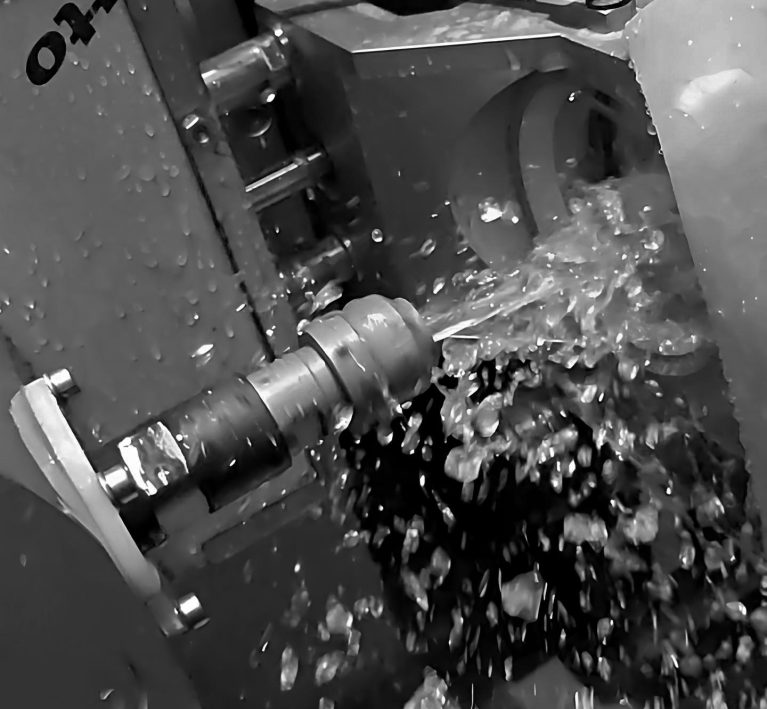
Water does two things: it cools the tool and removes the abrasive glass dust from the environment. Both are crucial for tool life.

Insufficient flow rate: Heat builds up, the matrix softens, and the tool wears down rapidly. There is also a risk of thermal stress cracking in the glass.

Dirty water: Glass dust accumulates on the tool surface and coats the diamond grains. The tool stops cutting and begins to rub.

Incorrectly positioned nozzle: If the water is flowing to the side of the cutting zone instead of the zone itself, it's useless. Periodically check the nozzle alignment.

Practical rule: if tool life is shorter than expected, the first place to look is the water.

2. Rate of progress

Very rapid processing increases the load per grain and prematurely wears down the matrix. It also increases the risk of glass cracking.

Slow progress, however, has the opposite effect: the grains rub against the material without "biting" it, they become dull but don't break — the tool shines and stops cutting.

The correct speed varies depending on the glass thickness and type. Computer controlled. machines with torque management This setting is done automatically; in manual machines, parameters must be written down and should not vary from operator to operator.

3. Sharpening (dressing)

It's not just a polished piece of junk — it's reclaimed through sharpening. Sharpening removes the dull surface layer, revealing the sharp grain underneath.

In systems with on-machine sharpening capabilities, this process is performed without removing the tool. This offers two advantages: tool life is extended, and downtime for sharpening is virtually eliminated.

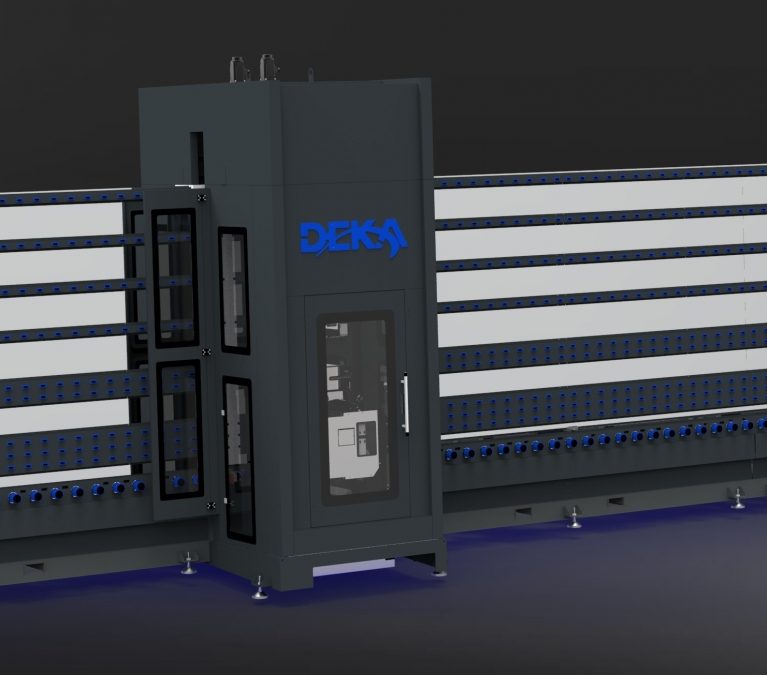
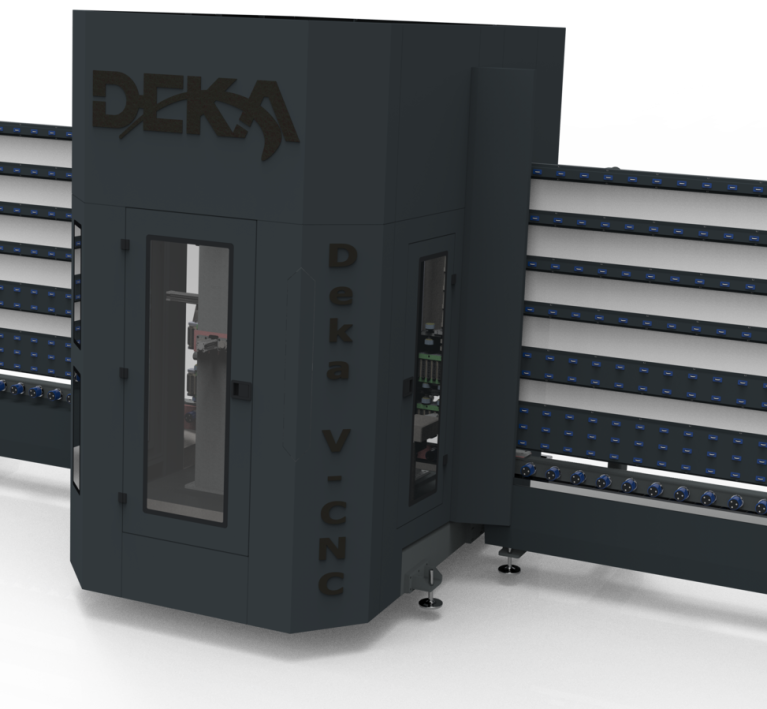
DD6‘The tool reading and sharpening features in the system are designed for this purpose — tool length is measured automatically, and sharpening is activated when wear is detected.

4. The right team, the right job.

  • Laminated glass: PVB interlayers behave differently; use the appropriate tool for lamination.
  • Low-E coated glass: More delicate parameters are required on the coating side.
  • Thick glass: Longer contact time means more cooling is needed.

Trying to do every job with a single type of tool provides inventory management in the short term, but in the long term, it increases both tool and waste costs.

5. Team tracking

Most facilities don't measure tool life; they replace them "when they start cutting badly." This means both premature replacement (waste of money) and late replacement (waste).

A simple record is sufficient: the date the tool was installed and the amount of sheet/linear meter processed with that tool. After a few months, you will have real lifespan data and can proceed with planned replacement.

Checklist

  • Is the coolant flow rate sufficient, or is it directed towards the nozzle cut-off zone?
  • Is the circulating water filtered and changed regularly?
  • Is the feed rate adjusted according to the glass thickness?
  • Are teams honed when they shine, or are they discarded?
  • Is the appropriate tool being used for the type of glass?
  • Is the tool life recorded?

When these six issues are addressed, a significant reduction in team costs is observed. You can contact us for technical support..